CRM Integration Strategies for Peak Business Seasons
dA
Understanding CRM Integration
As businesses gear up for peak seasons, the importance of integrating Customer Relationship Management (CRM) systems becomes paramount. A well-integrated CRM can streamline operations, enhance customer interactions, and ultimately drive sales. Understanding the nuances of CRM integration is the first step towards optimizing your business processes during these critical times.
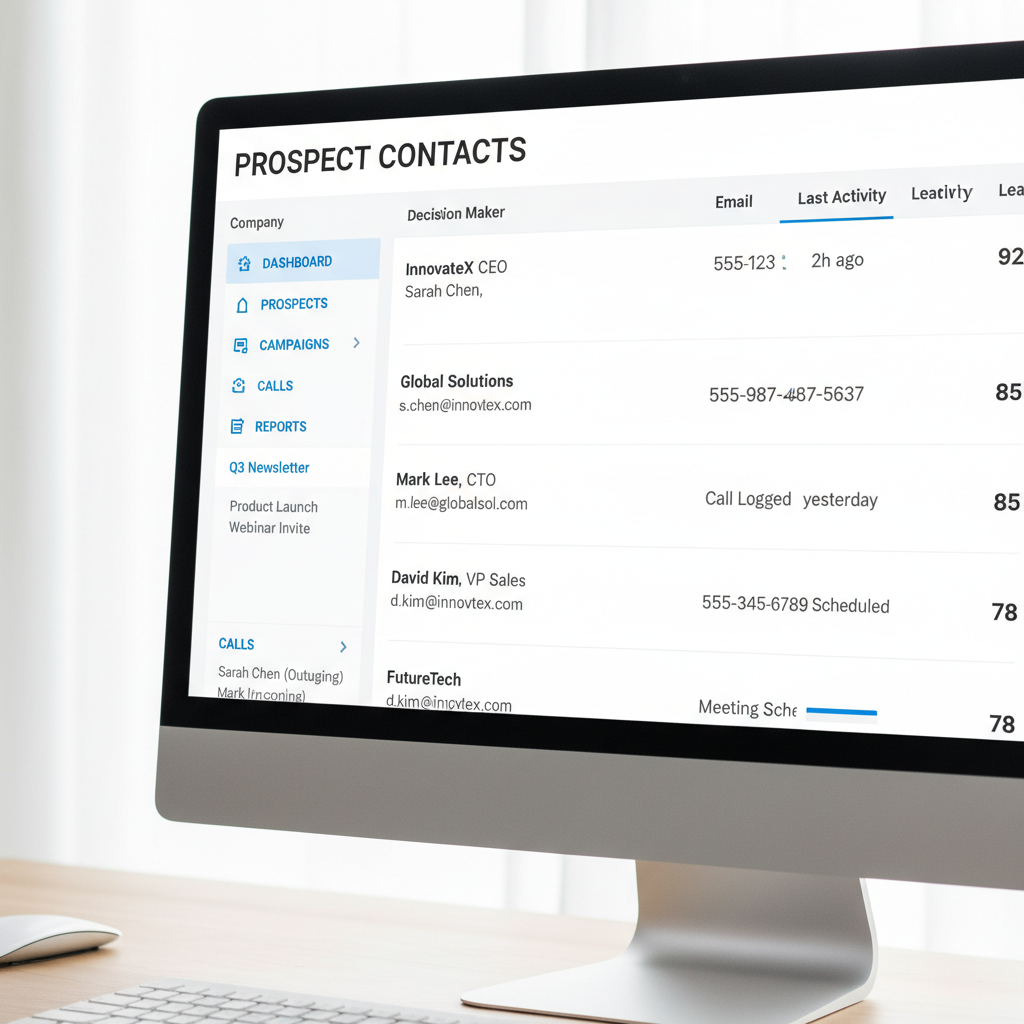
Why Peak Seasons Require Special Attention
Peak business seasons often bring a surge in customer interactions and transactions. Whether it's the holiday shopping rush or a seasonal event, businesses must be prepared to handle increased activity efficiently. Integrating a CRM system during these periods can provide a seamless experience for both customers and employees.
Without proper integration, businesses risk losing valuable data, experiencing delays in response times, and failing to meet customer expectations. A robust CRM system can help mitigate these risks by providing real-time insights and automating routine tasks.
Key Integration Strategies
To maximize the benefits of CRM during peak seasons, implementing the right integration strategies is crucial. Here are some key strategies to consider:
- Centralize Customer Data: Ensure that all customer information is consolidated within the CRM. This allows for quick access and analysis, enabling personalized interactions.
- Automate Workflows: Use automation to handle repetitive tasks, such as follow-up emails and data entry, freeing up time for more strategic activities.
- Integrate with Marketing Tools: Connect your CRM with email marketing, social media, and other promotional tools to create cohesive campaigns.

Leveraging Data Analytics
Data analytics is a powerful component of CRM integration. By leveraging analytics, businesses can gain insights into customer behavior and preferences, which can drive more effective marketing strategies. During peak seasons, having access to real-time data allows businesses to adapt quickly to changing trends and demands.
Analytics can also help in forecasting demand, managing inventory, and optimizing staff allocation, ensuring that all aspects of the business are prepared for the busy period.
Training and Support
Implementing a CRM system is not just about technology; it also involves ensuring that the team is well-equipped to use it effectively. Providing adequate training and support is essential for a successful integration. Employees should be familiar with the CRM features and understand how to utilize them to enhance customer interactions.

Having a dedicated support team in place during peak seasons can also help address any technical issues quickly, minimizing disruptions to business operations.
Continuous Improvement
Finally, businesses should view CRM integration as an ongoing process. Regularly evaluate the system's performance and gather feedback from users to identify areas for improvement. By continuously refining your CRM strategy, you can ensure that your business remains agile and responsive during peak seasons and beyond.
In conclusion, effective CRM integration strategies can significantly enhance business performance during peak seasons. By centralizing data, automating processes, leveraging analytics, providing training, and focusing on continuous improvement, businesses can ensure a smooth and successful peak season operation.